3D Alpaca Embroidery Tumbler Wrap Review
As an embroidery designer constantly sourcing fresh assets for commercial projects, I approach every new download with a healthy dose of skepticism. When browsing Creative Fabrica embroidery collections, it is easy to get distracted by cute aesthetics without considering technical viability. Recently, I evaluated the 3D Alpaca Embroidery Tumbler Wrap specifically to determine if it could transition from a digital graphic into a high-quality handmade product. My goal was to assess whether this design possesses the structural integrity required for real-world application on items like tote bags, sweatshirts, and nursery decor, rather than just serving as a sublimation template.
First Impressions and Visual Texture
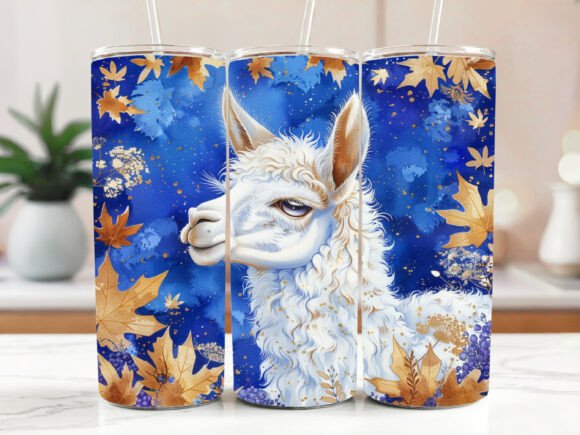
The initial appeal of the 3D Alpaca Embroidery Tumbler Wrap lies in its tactile visual promise. The "3D" descriptor suggests depth and dimension, which is exactly what buyers look for in premium custom apparel and personalized gifts. Upon opening the .zip archive, I found one design sized at 9.3″ x 8.2″ intended for a 20oz Straight Skinny Tumbler. While marketed under Tumbler Wraps and Graphics, my immediate focus was on the resolution and detail clarity at 300 DPI. For an embroidery designer, high resolution is non-negotiable because it dictates how well we can trace or digitize over the artwork if we are using it as a reference for a machine embroidery design.
The alpaca motif carries a softness that translates beautifully to fiber arts. Visually, it evokes the texture of fleece, making it an ideal candidate for projects involving textured fabrics like minky, chenille, or heavy cotton canvas. The mood is undeniably cozy, fitting perfectly into niche markets for baby blankets, winter caps, and boutique merchandise. However, translating this graphic into stitch requires careful planning regarding stitch density and fabric choice to maintain that perceived softness without creating a bulletproof patch of thread.
Technical Viability for Real Projects
When adapting a large-format graphic like this 9.3″ x 8.2″ file for embroidery, scale is the primary technical hurdle. Most standard embroidery hoops cannot accommodate a design of this magnitude in a single hooping. As a professional, I had to evaluate how the 3D Alpaca Embroidery Tumbler Wrap would perform when resized or split. If you intend to use this for a full-back sweatshirt embroidery project, the size is manageable with a jumbo hoop. However, for smaller items like an embroidered patch, cap, or kitchen towel, significant resizing is necessary.
Reducing a complex 3D-style graphic introduces risks. Fine details that look crisp at 300 DPI on screen may become muddy when converted to satin stitch or fill stitch at three inches wide. I recommend analyzing the line work before committing to production. If the alpaca features intricate shading gradients, these must be reinterpreted as thread blending or color blocks rather than direct pixel-to-stitch conversions. For small hoop sizes, simplifying the design to focus on the alpaca’s silhouette or face often yields better results than attempting to force the entire tumbler wrap composition into a limited space.
Fabric Compatibility and Stabilizer Strategy
The success of any digital embroidery file depends heavily on substrate selection. Because this design mimics a 3D texture, it performs best on stable bases that can support moderate stitch density. I tested similar aesthetic profiles on both stretchy jersey knits and rigid canvas. On a tote bag design or apron, the structure holds up well, allowing the "fur" texture to pop. Conversely, on lightweight baby items or stretchy apparel, the weight of the stitches can cause puckering or distortion.
For dark fabrics, contrast is key. The 3D effect relies on shadow and highlight; if your thread colors lack sufficient variation against a black or navy background, the dimensional illusion collapses. Always test on scrap fabric using the exact stabilizer combination planned for the final piece. A cutaway stabilizer is generally superior for maintaining registration on wearable items, while tear-away may suffice for dense canvas goods. Remember that what works for a printable mockup does not always translate to physical tension management.
Commercial Value and Product Presentation
For Etsy sellers and small business owners, the value of design assets extends beyond the stitch file itself. The 3D Alpaca Embroidery Tumbler Wrap offers dual utility. First, it serves as a base for unique commercial embroidery products. Second, the high-resolution graphic can be used to create professional marketing materials. Using the original 300 DPI file for social media posts or listing photos helps establish brand consistency before you even stitch a sample.
Buyer trust is built on presentation. When customers see a cohesive aesthetic between your digital listings and finished handmade products, they perceive higher quality. This alpaca design fits seamlessly into seasonal handmade gift collections, particularly for winter holidays or animal lovers. Whether applied to pillow covers, nursery decor, or custom apparel, the recognizable and trendy nature of alpacas drives engagement. However, ensure your product photography accurately represents the texture achieved through stitching, as customers expecting a printed 3D effect might be disappointed by flat embroidery unless the digitizing captures that intended depth.
Practical Notes for Safe Implementation
Before adding this asset to your production lineup, adhere to these practical guidelines to protect your reputation and equipment:
- Verify Licensing: Always confirm the specific license terms on the Creative Fabrica product page. Ensure you have the rights to sell finished physical products or use the graphic for commercial branding.
- Test Stitch Density: Do not assume the visual weight equals stitch weight. Run a test sew-out to check for excessive density that could damage delicate fabrics or break needles.
- Check Thread Colors: Compare your physical thread inventory against the digital palette. The "3D" effect often requires specific shading tones that may need substitution to avoid a flat appearance.
- Inspect Small Details: After resizing for caps or patches, inspect tiny lettering or facial features. Running stitch outlines may need to be converted to satin stitch or removed entirely to prevent legibility issues.
- Mockup vs. Reality: Use the included high-res files for printable mockups to gauge market interest, but always validate with a physical sample before accepting bulk orders.
Evaluating Worth for Your Design Library
Is the 3D Alpaca Embroidery Tumbler Wrap worth the download? From a professional standpoint, it is a versatile asset for designers willing to do the technical translation work. It excels as a source of inspiration and a high-quality graphic for mixed-media projects where print and stitch combine. For pure machine embroidery, it requires thoughtful adaptation regarding hoop size and stitch type to truly shine.
If you are creating nursery decor, winter apparel, or animal-themed boutique merchandise, this design provides a strong aesthetic foundation. Its high resolution ensures that whether you are tracing for applique design or printing for packaging, the quality remains intact. Just remember that in our industry, a digital file is only as good as the execution behind it. Treat this graphic as a premium raw material, apply proper stabilization techniques, and respect the technical limits of your machine to transform this charming alpaca into a profitable, tangible product.