Tailor Kit Embroidery: A Designer’s Practical Review
When evaluating a new machine embroidery design for professional or commercial use, the first question is never just about aesthetics. As a designer and product reviewer, I always ask: How will this actually stitch out on real fabric? The Tailor Kit Embroidery design presents an interesting case study for makers, Etsy sellers, and apparel decorators. At first glance, the artwork suggests a clean, structured aesthetic that aligns perfectly with the Hobbies and Crafts category, specifically appealing to those who appreciate sewing culture and maker pride. However, translating a digital concept into a tangible finished product requires a critical eye toward technical execution and market viability.
First Impressions and Visual Personality
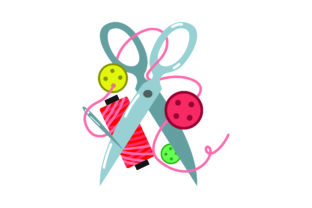
The immediate mood of Tailor Kit Embroidery is utilitarian yet charming. It evokes the nostalgia of a well-loved sewing room without feeling dated. For a craft business or boutique brand, this design communicates authenticity. It does not look like generic clip art; it feels curated for people who understand the value of handmade goods. The layout appears balanced, which is crucial when considering placement on items like aprons or tote bags where centering and proportion dictate the perceived quality of the item.
From a design asset perspective, receiving this in SVG, Transparent PNG, EPS, and DXF formats offers significant versatility. While these are primarily vector and raster graphic formats rather than native machine embroidery files (like DST or PES), they serve as essential foundations. For digital embroidery file creators or those using software to digitize their own stitches, having a high-quality Transparent PNG and scalable SVG means you can trace accurately without pixelation. This is vital for maintaining crisp edges in your final embroidery project. If you are purchasing this as a ready-to-stitch file elsewhere, always verify compatibility, but as a design source, these formats provide the clarity needed for professional digitizing or sublimation hybrid projects.
Real-World Application: The Custom Tote Bag Test
To truly judge this design, I mentally placed it in a specific production scenario: creating a premium canvas tote bag design for a small shop product line. Tote bags are a staple for Etsy seller inventory because they offer a large, flat stitching area that showcases detail. In this context, Tailor Kit Embroidery shines as a branding element. It signals to the customer that the bag was made by someone who respects the craft.
However, practical application requires foresight. Canvas is a textured fabric. When stitching this design on unbleached cotton canvas, I would be mindful of stitch density. If the design features intricate lines or small text elements common in tailor-themed art, a standard satin stitch might get lost in the weave. I would recommend testing a slightly denser underlay or using a fill stitch with a textured pattern to ensure the design pops against the coarse background. For a personalized gift, such as a sewing teacher’s appreciation bag, this design adds a layer of thoughtful specificity that generic floral patterns cannot achieve.
Technical Considerations for Apparel and Gifts
Beyond totes, this design has strong potential for custom apparel and sweatshirt embroidery. The "tailor" theme naturally fits on denim jackets, chore coats, and linen shirts. Here, the challenge shifts from texture to stability. Denim and twill are stable, but if you are adapting this for a lighter weight linen shirt or a baby onesie (baby embroidery), you must adjust your approach.
- Stabilizer Selection: For lightweight fabrics, use a cut-away stabilizer to prevent puckering around detailed areas. Tear-away is rarely sufficient for complex designs on stretchy or thin materials.
- Hoop Size Verification: Before committing to a commercial embroidery run, confirm the dimensions fit your hoop with adequate margin. Crowding a design in a hoop leads to registration errors.
- Thread Colors: The palette matters immensely. On dark denim, ensure high contrast. Vintage whites, creams, or metallic threads often work better than bright primaries for this specific aesthetic.
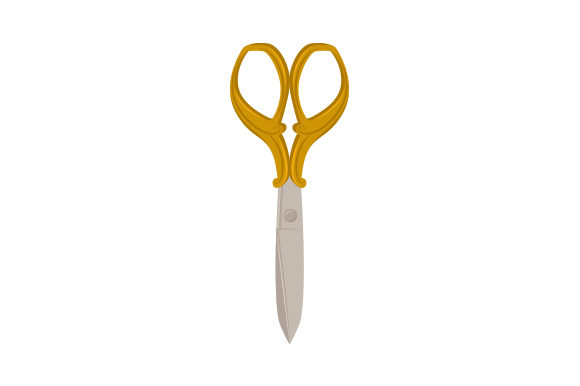
- Small Details: If the design includes tiny scissors, needles, or buttons, test these elements first. Running stitches below 1mm can break or disappear. You may need to simplify these areas during digitizing.
For holiday embroidery or seasonal markets, this design transitions well. It works beautifully on stockings, tree skirts, or gift sacks. Unlike novelty holiday designs that have a short shelf life, Tailor Kit Embroidery is evergreen. This longevity increases the ROI for small shop product developers who need designs that sell year-round.
Where to Exercise Caution
No design is universal. Based on my experience reviewing similar assets, there are specific scenarios where Tailor Kit Embroidery requires careful handling. Avoid placing highly detailed versions of this design on curved surfaces like caps unless you have verified the distortion compensation. The structural nature of tailor imagery can look warped on a curved brim if not properly mapped.
Additionally, be wary of using this on high-pile fabrics like terry cloth towels without a water-soluble topping. The fine lines characteristic of sewing motifs will sink into the pile, rendering the design muddy. For embroidered patch creation, ensure the border is robust enough to withstand cutting and merrowing. If the design relies on delicate outer lines, reinforce them with a heavier satin border to maintain structural integrity during finishing.
Impact on Brand Value and Customer Trust
In the saturated market of handmade goods, professionalism separates hobbyists from viable businesses. Using a cohesive, well-executed design like Tailor Kit Embroidery contributes to brand consistency. When customers see high-quality stitching on a printable mockup or the actual product photos, it builds trust. They perceive the item as higher value because the decoration looks intentional rather than an afterthought.
For those selling digital assets or offering customization services, presenting this design in black-and-white mockups alongside color versions helps clients visualize versatility. It demonstrates that the design holds up structurally regardless of colorway. This level of presentation is what attracts serious buyers and repeat clients in the craft business space.
Essential Pre-Production Checklist
Before listing any item featuring Tailor Kit Embroidery for sale or gifting, run through this practical checklist to avoid costly mistakes:
- Test Stitch on Scrap: Never stitch directly on a final product without a test run on similar fabric weight and texture.
- Check Licensing: Verify whether your purchase includes commercial rights for finished products versus digital redistribution. This distinction is critical for Etsy sellers.
- Review Contrast: Photograph your test stitch in natural light. Screen colors often differ from thread reality.
- Validate File Formats: Since the provided files are SVG, PNG, EPS, and DXF, ensure you have the correct software to convert these to machine-readable formats or hire a professional digitizer if you lack the tools.
- Assess Washability: If making custom apparel or kitchen textiles, wash and dry the test sample to check for shrinkage or thread bleed.
Tailor Kit Embroidery offers a sophisticated option for makers who want to celebrate their craft through their products. Whether you are creating a signature handmade product line or adding a unique touch to client merchandise, success lies in respecting the technical relationship between the design, the fabric, and the machine. By approaching this design with a tester’s mindset rather than just a consumer’s, you ensure that every stitch adds value to your brand and delight to your customers.