Beautiful Simple Embroidery Design: A Maker's Review
As a professional embroidery designer and product reviewer, I approach every new machine embroidery design with a critical eye. It is not enough for a graphic to look appealing on a screen; it must translate into physical stitches that hold up to real-world use. When evaluating the Beautiful Simple Embroidery Design from this greeting card collection, my primary focus was on its versatility and structural integrity for commercial and personal projects. This review breaks down how this specific pattern performs when moved from digital assets to a finished product, specifically through the lens of creating custom merchandise for a small shop.
First Impressions: Visual Balance and Stitch Economy
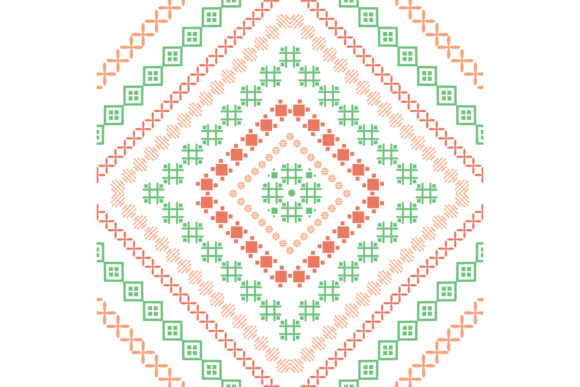
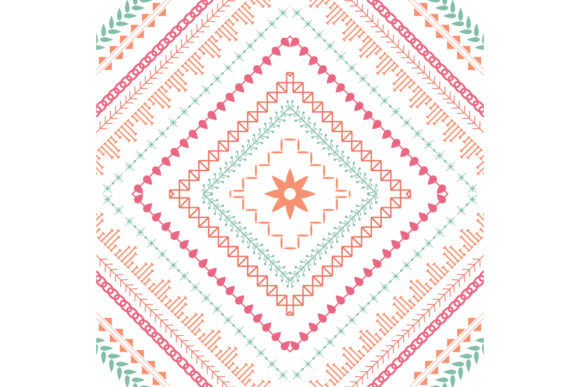
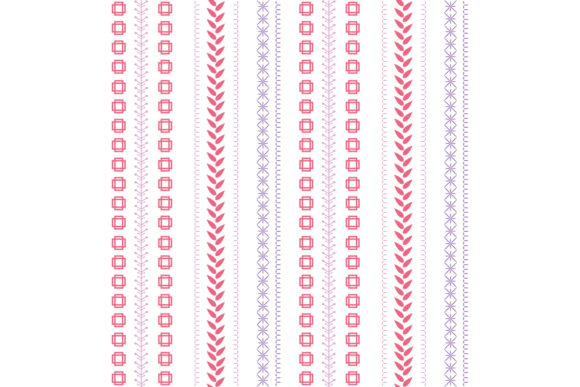
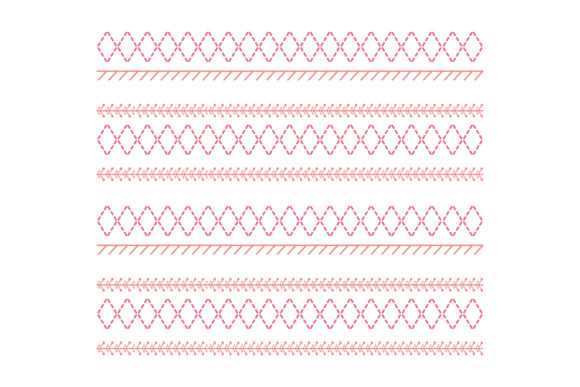
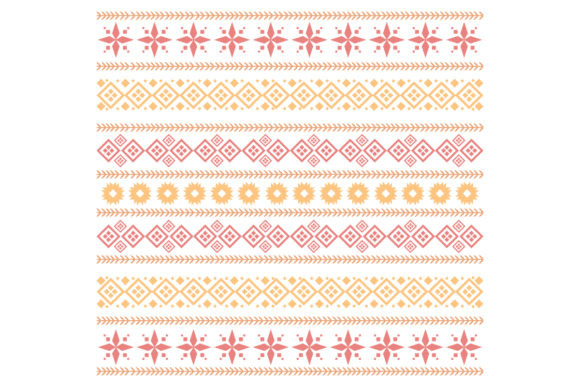
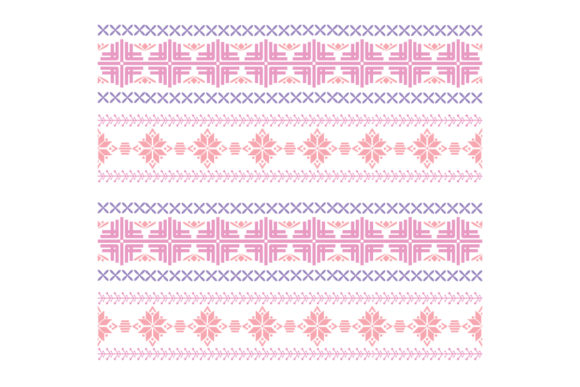
Upon opening the embroidery file, the first thing that stands out is the intentional restraint in the artwork. In an industry often saturated with overly dense, complex graphics, this design embraces negative space effectively. The layout suggests a clean aesthetic that feels modern yet timeless. For a designer, this simplicity is a major advantage. It implies a lower stitch count without sacrificing visual impact, which is crucial for maintaining fabric drape and reducing production time.
The mood created by this design is soft and approachable. It avoids harsh lines or aggressive detailing, making it naturally suited for items meant to convey warmth or sentiment. As a graphic intended originally for greeting cards, the digitizing appears to respect the delicate nature of paper crafts while being robust enough for textile application. This duality makes it a strong candidate for mixed-media projects where an embroidered element might be paired with printed stationery or packaging.
Real-World Application: The Custom Tote Bag Test
To truly evaluate the utility of the Beautiful Simple Embroidery Design, I mentally prototyped it for a high-demand item in my own business: a natural canvas tote bag. Tote bags are a staple for Etsy sellers and craft fair vendors, but they present unique challenges due to the coarse weave of canvas and the need for durability.
In this scenario, the design’s simplicity works in its favor. Complex fill stitches can sometimes get lost in the texture of heavy canvas or cause puckering if the density is too high. Because this design relies on clean shapes and likely utilizes a balanced mix of satin and running stitches, it sits flat against the textured fabric. For a handmade product like a market tote, this clarity ensures the design remains legible from a distance. Customers browsing a stall or scrolling through social media feeds respond better to bold, uncomplicated visuals than muddy, over-stitched details.
Furthermore, using this design on a tote bag allows for efficient production. If you are a small shop product creator fulfilling bulk orders for bridal parties or corporate events, the reduced stitch complexity means faster run times and less thread consumption. This directly impacts profit margins while maintaining a premium, boutique feel. The design elevates a basic blank into a personalized gift that looks professionally curated rather than hastily assembled.
Fabric Compatibility and Technical Considerations
While the design is versatile, no single digital embroidery file is universal. Based on the characteristics of simple greeting card styles, there are specific environments where you should exercise caution.
- Stretchy Fabrics: If applying this to knitwear or performance wear for custom apparel, the open nature of simple designs can sometimes lead to registration issues if the fabric shifts. Always use appropriate stabilizer and consider a light topping to prevent stitches from sinking into the knit.
- High-Pile Textiles: On terry cloth towels or plush blankets, fine details inherent in greeting card graphics may disappear. You may need to add a knockdown stitch layer beneath the design to ensure the satin stitch elements remain visible and crisp.
- Curved Surfaces: When adapting this for caps or structured hats, verify the hoop size and design dimensions. Simple designs centered for flat hoops may distort on curved surfaces unless specifically digitized for headwear.
- Dark Fabrics: Since this style originates from greeting cards, it may rely on white or light-colored backgrounds for contrast. On dark garments, ensure the thread colors provide sufficient definition, or the design may look washed out.
For baby embroidery projects, such as onesies or bibs, the simplicity is actually a safety and comfort feature. Dense patches of stitching can be scratchy against sensitive skin. This lighter design profile reduces bulk, making it ideal for infant wear, provided you confirm the stitch density is appropriate for thin cotton jersey.
Enhancing Product Value and Brand Consistency
For creative entrepreneurs, consistency is key to building brand recognition. The Beautiful Simple Embroidery Design serves as an excellent anchor piece for a cohesive collection. Its uncluttered aesthetic pairs seamlessly with minimalist branding, kraft paper packaging, and neutral color palettes. When customers see this level of thoughtful curation, it builds trust in the quality of your commercial embroidery work.
This design also translates exceptionally well to marketing materials. Because it lacks chaotic detail, it photographs clearly even in low-light settings or small thumbnails. This makes it perfect for printable mockups and social media previews. When listing on platforms like Etsy, clear representation of the stitch-out is vital. A design that looks as good in a digital preview as it does on the physical item reduces customer hesitation and return rates. It signals professionalism and attention to detail, distinguishing your shop from competitors using generic, overcrowded clip art.
Essential Notes for Makers and Sellers
Before adding this design to your production queue or digital storefront, adhere to these practical guidelines to ensure success:
- Test Stitch is Mandatory: Never assume a digital file will perform perfectly on your specific machine and fabric combination. Run a test on scrap material identical to your final project to check tension and registration.
- Verify Licensing: As this is part of a specific collection, confirm whether your license permits selling finished physical products, digital files, or both. Respecting intellectual property protects your business long-term.
- Check Hoop Requirements: Ensure the design fits comfortably within your machine’s maximum embroidery area with adequate margin for the hoop grip. Crowding the edges can cause alignment errors.
- Evaluate Stabilizer Needs: Match your backing to the fabric weight. A simple design on lightweight linen requires different support than the same design on denim. Proper stabilization prevents the "boxy" look that devalues handmade items.
- Mockup Testing: Before launching a new product line featuring this design, create black and white mockups alongside color versions. This helps you assess contrast and readability independent of color bias.
Final Verdict for Creative Professionals
The Beautiful Simple Embroidery Design represents a valuable asset for makers who prioritize elegance and efficiency. It bridges the gap between delicate paper craft aesthetics and durable textile application. Whether you are producing holiday embroidery gifts, stocking an Etsy shop with everyday accessories, or creating branded merchandise, this pattern offers a reliable foundation. Its strength lies not in complexity, but in its adaptability and clean execution. By respecting the technical requirements of your chosen substrate and leveraging the design’s inherent minimalism, you can create finished products that resonate with customers seeking quality over quantity. Always remember that the best embroidery designs are those that serve the project, not just the screen, and this pattern passes that test with distinction.