Embroidery Stitched Frames: A Craft Fair Review
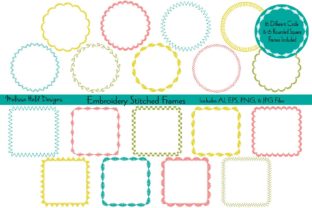
As an embroidery designer preparing for a weekend craft fair, I am constantly evaluating which digital assets will translate best into physical sales. When reviewing Embroidery Stitched Frames by Melissa Held Designs, my primary focus is on booth impact and production efficiency. This collection of 32 hand-drawn frames offers a distinct advantage for handmade sellers because it bridges the gap between digital graphics and tangible textile art. The retro-inspired palette immediately signals a specific aesthetic that resonates with current market trends, moving away from sterile, computer-generated perfection toward something that feels authentically crafted.
First Impressions and Booth Appeal
My first impression of this machine embroidery design collection is that it leans heavily into a soft, nostalgic, and premium handmade feel. Unlike bold, modern geometric borders or rustic farmhouse styles, these frames possess a delicate intricacy that suggests high-value craftsmanship. For a craft fair table display, this is crucial. Customers browsing quickly need to identify quality within seconds. The hand-drawn nature of these illustrations means the lines are not perfectly uniform, which mimics traditional hand embroidery even when executed by a machine.
This visual texture creates an immediate emotional connection. When displayed on a booth sample, such as a linen pillow cover or a canvas market bag, the retro colorway acts as a stopper. It differentiates the product from mass-produced items found in big-box stores. As an Etsy seller or boutique maker, you are selling a story as much as a product. These frames provide the visual vocabulary for that story, suggesting heritage, care, and artistic intention without requiring thousands of hours of manual stitching per item.
Best Performing Products for Market Sales
Not every craft fair product suits every design. Based on the intricate, hand-drawn style of Embroidery Stitched Frames, certain items will yield higher conversion rates than others. Here is how I evaluate this collection across different product categories:
- Tea Towel Embroidery: This is likely your strongest seller. The frames are designed to hold space, making them perfect for centering monograms, family names, or seasonal greetings on kitchen textiles. The retro palette complements unbleached cotton and flour sack towels beautifully.
- Tote Bag Design: Canvas totes serve as walking billboards at markets. A large frame stitched in contrasting thread colors turns a simple utility bag into a fashion statement. Ensure the frame is scaled appropriately so it does not look lost on the larger surface area.
- Apron Embroidery: For the baking and cooking niche, these frames add a vintage charm that justifies a higher price point. They work exceptionally well on bib-style aprons where the frame can enclose a personalized message.
- Pillow Covers: Home decor buyers love texture. Using these frames on natural linen or velvet allows the stitch definition to shine. The "hand-made feel" mentioned in the description is most palpable here.
- Small Pouches and Gifts: While usable, be cautious with sizing. These designs thrive when they have room to breathe. On small zipper pouches, ensure the frame does not overwhelm the functional aspect of the item.
I would advise against using these specific frames on curved cap surfaces or highly textured terry cloth unless you have extensive testing experience. The delicate, hand-drawn lines may get lost or distort on uneven surfaces, diminishing the premium look you are aiming for.
Production Practicality and Batch Efficiency
For a small shop product line, repeatability is key. You cannot spend four hours hooping and adjusting for a single sale. Embroidery Stitched Frames excel here because they function as versatile containers. Once you have dialed in your placement, you can batch produce dozens of tea towels or tote bags simply by changing the text or motif inside the frame. This modularity is essential for maintaining profit margins at craft fairs.
From a photography standpoint, these frames are a dream for creating consistent printable mockups and listing photos. The defined border creates a natural focal point for the camera, guiding the buyer’s eye directly to the customization. For digital sellers offering the embroidery file itself, the variety of 32 options provides immense value, allowing customers to build a cohesive brand identity across multiple projects.
Critical Technical Considerations
Despite their beauty, hand-drawn style designs require technical vigilance. Before committing to a full production run, consider these practical constraints:
- Stitch Density and Fabric Texture: Hand-drawn aesthetics often involve varying line weights. Test the stitch density on your intended fabric. If stitching on loose-weave linen, you may need a heavier stabilizer to prevent the delicate lines from sinking into the weave. Conversely, on tightly woven canvas, ensure the needle penetration isn't causing fabric damage.
- Scaling Limitations: Because these are illustrations converted to stitches, reducing the size too drastically can cause detail loss. Tiny gaps between stitches might close up, turning a charming sketch into a muddy blob. Always verify the minimum safe size before resizing.
- Thread Colors and Contrast: The retro palette is specific. If substituting threads, maintain similar tonal values. High contrast is necessary for the hand-drawn effect to read clearly from a distance at a busy market booth.
- Hoop Size Verification: With 32 unique designs, dimensions will vary. Confirm your hoop size capabilities before purchasing. Some elaborate frames may require larger hoops, which could limit your ability to embroider on smaller items like cuffs or collars.
Designer Notes for Commercial Success
As professionals, we must treat our art as a business asset. Before listing any finished product derived from Embroidery Stitched Frames, create at least one physical sample. Photograph it in natural light to verify that the retro colors translate accurately on screen. Digital files can sometimes appear brighter or more saturated than actual rayon or polyester threads.
Furthermore, always review the licensing terms included with the digital embroidery file. While this collection is marketed for creative entrepreneurs, confirming your rights to sell finished goods versus digital files is non-negotiable. Protecting your business starts with respecting intellectual property.
Finally, use these frames to elevate your brand consistency. Select three to five favorite frames from the collection and stick to them across your entire booth display. This repetition builds brand recognition. When a customer sees your signature frame style on a tote bag, they should instantly associate it with your other handmade products. Consistency breeds trust, and trust drives sales.
Elevating Perceived Value
Ultimately, Embroidery Stitched Frames are more than just decorative borders; they are value multipliers. In a sea of generic embroidered goods, a thoughtfully framed design communicates intention. It tells the buyer that a human being made deliberate choices about composition, color, and style. Whether you are selling commercial embroidery services, retailing finished gifts, or marketing design assets, this collection offers the versatility and aesthetic depth required to stand out. By respecting the technical requirements and leveraging the retro charm strategically, you can transform these digital illustrations into a cornerstone of your craft fair success.