Modern Stitches Pattern on Embroidery Review
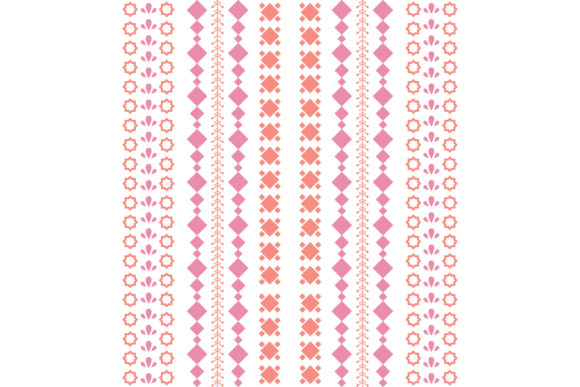
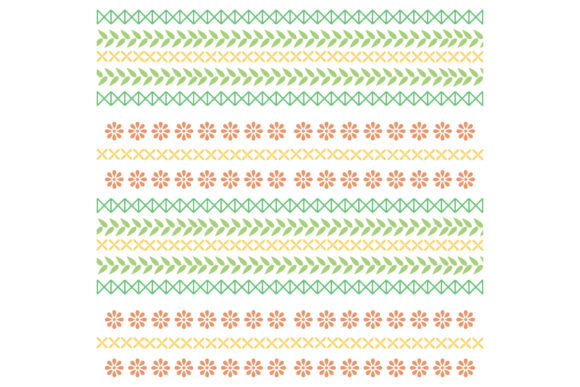
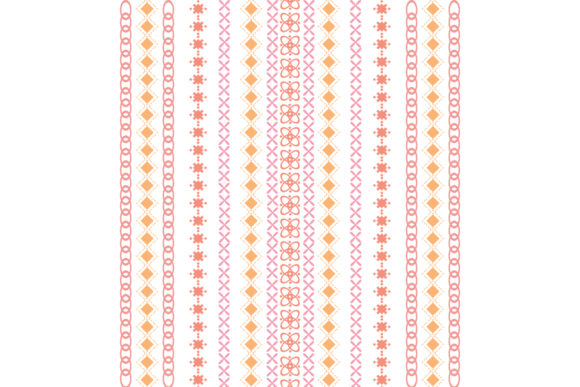
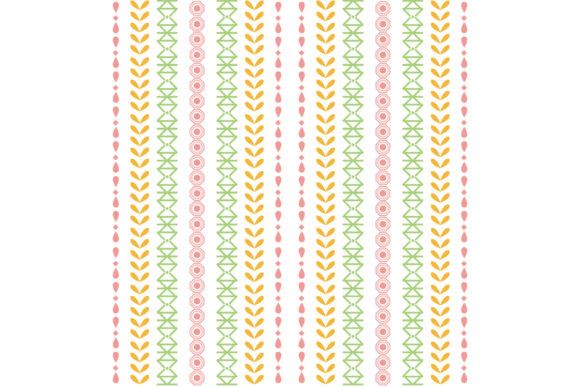
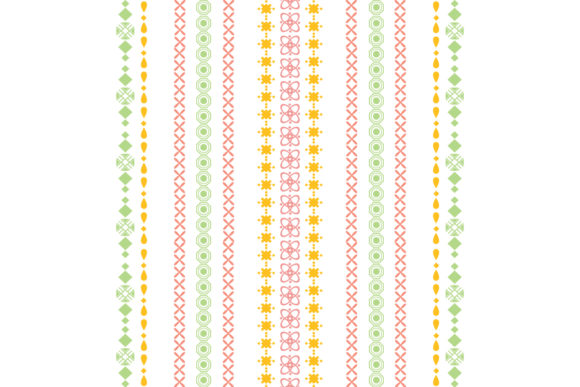
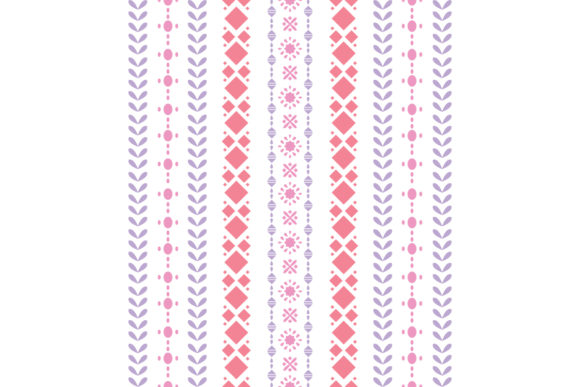
As I prepare my booth inventory for the upcoming weekend craft fair, evaluating every machine embroidery design is a critical step in ensuring profitability and brand consistency. When reviewing the Modern Stitches Pattern on Embroidery for living room wall decor, my primary focus shifts from digital aesthetics to tangible marketability. This design is categorized under Patterns and Graphics, suggesting a structured, repetitive, or textural motif rather than a singular illustrative scene. For an Etsy seller or boutique maker, this distinction is vital. Wall decor implies a certain scale and visual weight that must be translated carefully when applied to functional handmade products. My initial assessment suggests this pattern carries a contemporary, minimalist elegance. It feels less like rustic farmhouse clutter and more like curated modern art, which appeals strongly to younger demographics and interior design enthusiasts browsing craft markets.
Translating Wall Decor Graphics to Functional Craft Fair Products
The description specifies "living room wall decor," but as a vendor, I cannot sell framed art alone; I need versatile craft fair products that move quickly. The strength of the Modern Stitches Pattern on Embroidery lies in its adaptability as a surface design. Because it is a pattern-based graphic, it offers unique opportunities for product diversification that single-image designs cannot match.
- Tote Bag Design: This is likely your highest ROI item. A continuous stitch pattern creates a premium, textured look on canvas totes that mimics woven fabric. Unlike a centered logo, a pattern covers negative space effectively, making the bag feel higher value.
- Tea Towel Embroidery: While marketed for living rooms, geometric or organic stitch patterns translate beautifully to kitchen linens. The repetition provides a border or hem detail that looks intentional and high-end rather than a misplaced decoration.
- Apron Embroidery: For culinary-themed markets, placing this pattern along the bottom hem or across the bib adds a sophisticated touch. It avoids the cliché chef hat graphics and attracts customers looking for modern kitchen wear.
- Pillow Covers: This brings the design back to its original intent. Using the pattern as an accent stripe or corner detail on linen pillow covers bridges the gap between digital file and home decor staple.
- Embroidered Patch: If the pattern has distinct repeating units, isolate one segment to create patches. These are excellent low-cost add-ons at the point of sale and allow customers to customize their own jackets or bags.
Visual Merchandising and Booth Display Strategy
At a crowded handmade market, customers scan tables in seconds. The Modern Stitches Pattern on Embroidery performs differently than character art or bold typography. Its selling point is texture. From a distance, intricate stitch patterns can sometimes blur into a solid color block if the contrast is too low. To maximize buyer engagement, I recommend stitching samples in high-contrast thread colors against neutral fabrics. A cream stitch on charcoal linen reads as premium; white on white may get lost unless the lighting is perfect.
For your booth display, avoid laying these items flat. Textural patterns need dimension to be appreciated. Hang tote bags vertically so light catches the stitch direction. Prop up pillow covers to show how the pattern interacts with fabric folds. When photographing for online listings or creating a printable mockup, ensure macro shots are included. Customers buying digital embroidery files or finished goods need to see the individual stitches to trust the quality. The "modern" aspect of this title implies clean lines and consistent tension; blurry photos will undermine that promise.
Production Practicalities and Technical Considerations
Before committing to batch production, technical validation is non-negotiable. Patterns designed for wall decor often have different density requirements than wearable items. As an experienced designer, here are the specific production checks I perform with this type of embroidery file:
- Analyze Stitch Density: Wall art can support heavier coverage, but a tea towel or lightweight tote cannot. Run a test sew-out to ensure the pattern does not cause fabric puckering or needle breaks. You may need to reduce density by 10-15% for lighter substrates.
- Verify Hoop Size Compatibility: Patterns are often digitized in large formats. Confirm whether the file includes smaller variations or if you possess the software to resize it without distorting the stitch integrity. Resizing complex patterns requires adjusting pull compensation.
- Stabilizer Selection: The repeatable nature of patterns means registration errors are immediately obvious. Use appropriate stabilizer for each substrate. Cut-away backing is essential for stretchy fabrics or items washed frequently like aprons and towels to prevent the pattern from warping over time.
- Fabric Texture Interaction: Test on both smooth and textured surfaces. A detailed stitch pattern might disappear on terry cloth but shine on cotton sateen. Document which fabrics yield the best results to streamline future production.
- Thread Color Planning: Modern designs often rely on tone-on-tone palettes. Verify your thread inventory before the fair. Running out of a specific variegated or matte thread mid-production can halt your workflow since exact color matching is crucial for pattern continuity.
Commercial Viability and Licensing Awareness
For creative entrepreneurs and small shop product sellers, understanding the commercial rights of the Modern Stitches Pattern on Embroidery is paramount. Never assume a design purchased for personal use allows for mass production of finished goods. Always review the license terms included with the design assets. Some digitizers limit the number of physical items you can sell or prohibit using the design for print-on-demand services.
If you plan to sell the finished product at multiple fairs or through wholesale channels, ensure your licensing covers this volume. Additionally, if you intend to modify the pattern—such as isolating elements for patches or combining it with other graphics—confirm that derivative works are permitted. Protecting your business means respecting intellectual property while maximizing the utility of your licensed library.
Final Designer Verdict for Market Success
The Modern Stitches Pattern on Embroidery represents a strong opportunity for makers focusing on elevated, everyday essentials. Its versatility across tote bags, home textiles, and accessories makes it a valuable asset for diverse inventory planning. However, success depends entirely on execution. The transition from "wall decor" concept to "market-ready product" requires careful testing of density, contrast, and substrate compatibility.
I recommend starting with a limited run of three core items: a canvas tote, a linen tea towel, and a decorative pillow cover. Create real samples rather than relying solely on digital previews. Inspect the back of the embroidery as critically as the front; messy jump stitches or poor tension will devalue the "modern" aesthetic instantly. By treating this pattern as a textural element rather than just a picture, you align your offerings with current trends favoring tactile, artisanal quality. Always check the specific file details regarding hoop size and format before purchasing to ensure compatibility with your machine. With proper preparation, this design can anchor a cohesive, professional collection that stands out in the saturated handmade marketplace.