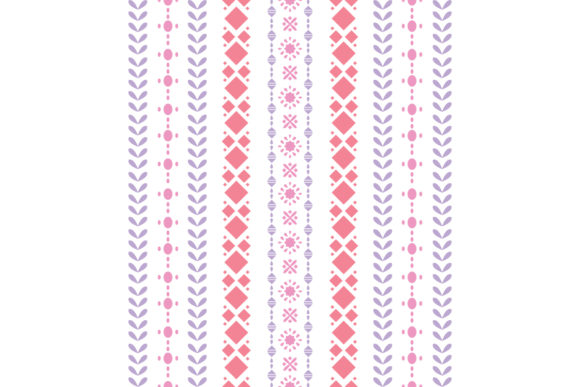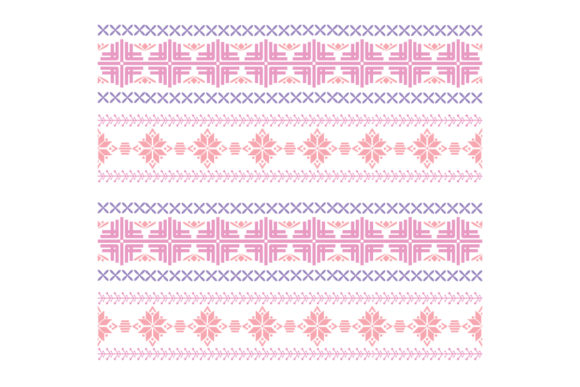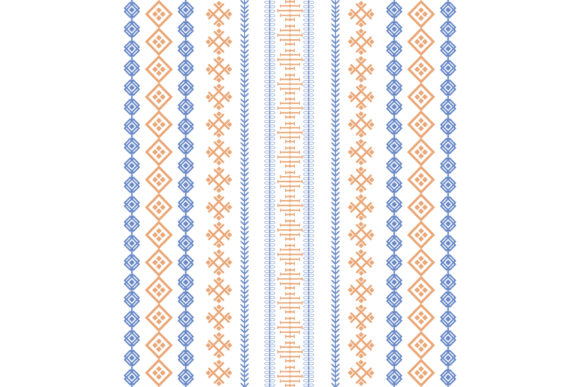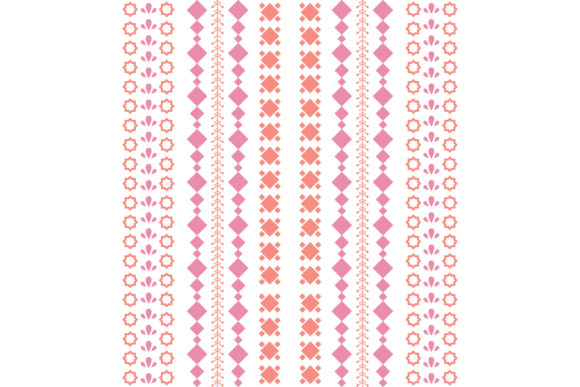
Simple Embroidery Pattern Review for Craft Fairs
As an experienced embroidery designer preparing for a weekend craft fair, my evaluation of any new digital asset is ruthless. I am not just looking at aesthetics; I am calculating production time, visual impact from six feet away, and profit margins. When reviewing the Simple Embroidery Pattern described as having colorful stitches for T-shirt fabric design, I immediately assess its viability across my entire booth inventory. This review breaks down how this specific machine embroidery design performs in a real-world commercial setting, moving beyond the screen and onto tangible goods that customers actually pick up and purchase.
First Impressions and Booth Visibility
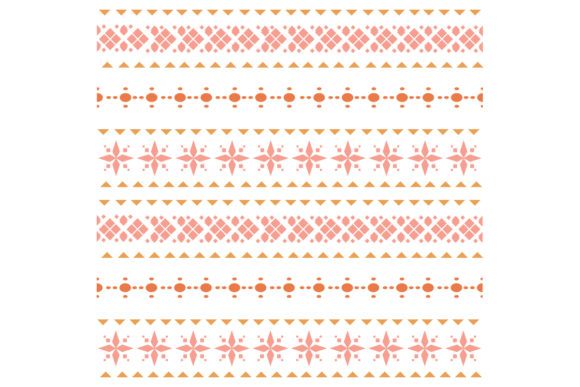
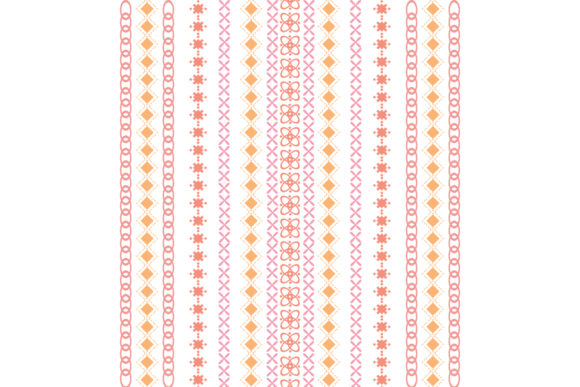
The title suggests a minimalist aesthetic, but the mention of "colorful stitches" indicates a playful or vibrant twist on simplicity. For a craft fair product, this combination is often the sweet spot. Pure minimalism can sometimes look unfinished to the untrained eye, while overly complex designs can appear cluttered from a distance. This Simple Embroidery Pattern likely strikes a balance that reads as modern and approachable. In a booth display filled with visual noise, a design that offers clean lines with strategic pops of color acts as a visual anchor. It feels premium rather than basic because the simplicity implies confidence in the stitch work. As an Etsy seller or boutique maker, you want graphics that communicate quality instantly. If the design relies on color blocking rather than dense shading, it will photograph beautifully for printable mockups and stand out clearly against varied fabric textures in person.
Performance Across Key Handmade Products
Versatility is the metric that determines whether a digital embroidery file earns its keep in a small shop product lineup. Here is how I project this pattern performing across standard market items:
- Tote Bag Design: This is likely the strongest application. Totes offer a flat, stable canvas perfect for colorful stitches. The simple nature of the pattern allows it to be centered effectively without competing with the bag’s seams or handles. It serves as an excellent entry-level price point item.
- Apron Embroidery: Aprons require designs that sit well on the chest or lower pocket area. Because this pattern is intended for T-shirt fabric, it should translate seamlessly to cotton twill or canvas aprons. The colorful element adds personality to what is otherwise a utilitarian garment.
- Tea Towel Embroidery: Kitchen textiles are high-volume sellers. However, towel texture can swallow fine details. If the Simple Embroidery Pattern uses bold, open fills rather than tiny satin stitches, it will remain legible on terry cloth or flour sack cotton. Avoid placing this design too close to the hem where fabric distortion occurs.
- Caps and Patches: Proceed with caution here. Caps have curved surfaces that distort simple geometry. Unless the design is specifically digitized for caps, test it first. For embroidered patches, ensure the stitch density is sufficient to create a solid border if you plan to cut them out.
- Pillow Covers and Pouches: These giftable handmade items benefit from the "colorful" aspect of the description. They allow for higher price points than tea towels. Ensure the hoop size accommodates the full design without excessive re-hooping, which slows down batch production.
Production Practicality and Batch Efficiency
For commercial embroidery, time is money. A Simple Embroidery Pattern should theoretically stitch out faster than intricate florals or dense landscapes. This makes it ideal for stocking a booth. I look for designs that allow me to run multiple hoops consecutively without constant thread changes or bobbin checks. If the colorful stitches are grouped logically by color, this design is a winner for batch production. Furthermore, simple designs are generally more forgiving regarding registration issues. When producing twenty tote bags in a row, slight shifts happen; a bold, simple graphic hides these imperfections better than precise lettering or photorealistic art. For digital sellers offering this as a download, emphasize the ease of use and low stitch count in your listing description to attract fellow makers who value efficiency.
Critical Technical Considerations and Fabric Pairing
While the description highlights T-shirt fabric, successful application requires understanding stabilizer and fabric texture interactions. T-shirts are knits that stretch; woven tote bags and aprons do not. You cannot use the same setup for both.
- Stabilizer Selection: For the T-shirt application mentioned, always use a cut-away stabilizer to prevent puckering around the colorful stitches. For tea towels or woven market bags, a tear-away may suffice, but test first to ensure the design doesn't pull the fabric grain.
- Thread Contrast: Colorful stitches on colored fabric can disappear. Always verify contrast. A bright yellow stitch on a cream tee looks elegant; on a white tee, it vanishes. Create physical samples on your best-selling fabric colors before committing to bulk production.
- Stitch Density Check: Open the embroidery file in your software before stitching. Confirm that the density is appropriate for your target products. If the design is too dense for a lightweight T-shirt, it will cause draping issues. If it is too sparse for a textured towel, the fabric will show through.
- Hoop Size Verification: Never assume the design fits your smallest hoop. Check the exact dimensions. Maximizing your hoop usage reduces labor costs per unit.
Enhancing Brand Value and Customer Engagement
A cohesive booth tells a story. Using this Simple Embroidery Pattern across multiple product categories creates brand consistency that builds trust. When customers see the same recognizable aesthetic on an apron, a pouch, and a shirt, they perceive your business as professional rather than haphazard. This design assets' simplicity also leaves room for customization. Consider offering personalization by adding a name below or beside the main graphic. This upsell opportunity transforms a standard handmade product into a bespoke gift, significantly increasing perceived value. For online sales, this pattern’s clarity makes it easy to create lifestyle photography. Customers need to visualize the finished product; simple designs render cleanly in digital mockups, reducing return rates caused by expectation mismatches.
Designer Notes for Safe Commercial Use
Before listing any finished product derived from this Simple Embroidery Pattern, due diligence is mandatory. First, confirm the commercial licensing terms included with the digital embroidery file. Some designers restrict the number of physical items sold or prohibit using the design on certain mass-market platforms. Second, always stitch a test sample on scrap fabric identical to your final product. Inspect the back of the embroidery; messy jump stitches or excessive trims indicate digitizing issues that could lead to customer complaints about durability. Third, compare the design against current market trends. Is the color palette seasonal? Does the style align with your existing shop aesthetic? Finally, document your settings. Note which stabilizer, needle type, and tension adjustments worked best for this specific pattern. This data becomes invaluable when reordering supplies or training staff for future craft fairs. By treating this Simple Embroidery Pattern as a technical component of your business rather than just art, you ensure it contributes directly to your bottom line and reputation as a quality maker.